The Czech Flag — Featuring two horizontal bands of white over red with a blue triangle at the hoist side, this flag tells a story of Pan-Slavic unity. The colors represent the national virtues: white for the peaceful and honest nature of the Czech people, red for courage and patriotism, and blue for vigilance, truth, and loyalty. First used in 1920, the flag survived the Nazi occupation and communist era, becoming a powerful symbol of national identity. Interestingly, it's one of the few national flags to feature a triangular element, making it instantly recognizable.
Welcome to the Czech Republic — or Česká republika — a land where Gothic spires pierce the sky, where beer flows like water (and costs less), and where every cobblestone street seems to whisper medieval secrets. Nestled in the heart of Central Europe, this country of 10.7 million people packs an extraordinary cultural punch that rivals nations three times its size.
Once the Kingdom of Bohemia and part of the Austro-Hungarian Empire, the Czech Republic emerged from the Velvet Revolution of 1989 with grace and determination. Today, it's a vibrant democracy that honors its storied past while embracing modern creativity. Whether you're wandering through Prague's enchanted alleys, exploring Renaissance towns frozen in time, or soaking in Art Nouveau spas, the Czech Republic offers a European experience that's both affordable and magical. This is the birthplace of Kafka, the home of Pilsner beer, and the keeper of more castles per capita than almost anywhere else on earth.
📍 Capital City — 50.0755° N, 14.4378° E
Prague: The City of a Hundred Spires
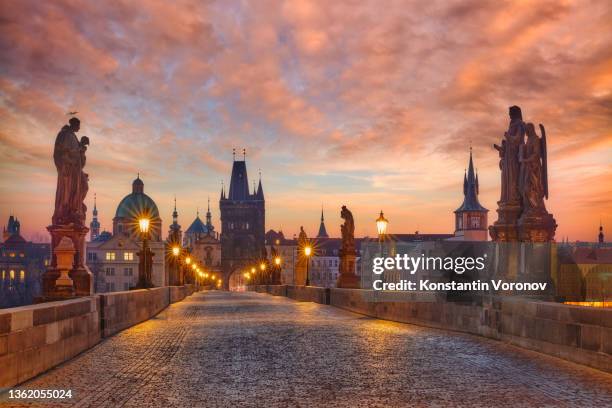
Charles Bridge at sunrise, with its baroque statues guarding the Vltava River
Prague isn't just beautiful — it's otherworldly. Nicknamed "The Golden City" and "The Mother of Cities," the Czech capital escaped the bombing that devastated other European cities during WWII, leaving a medieval wonderland intact. The skyline is dominated by Prague Castle, the largest ancient castle complex in the world, which has been the seat of Czech kings, emperors, and presidents since the 9th century. Below it, the Charles Bridge connects the Old Town with the Lesser Town, its 30 baroque statues creating an outdoor gallery against the backdrop of the Vltava River.
But Prague isn't just a museum piece. The Old Town Square's Astronomical Clock draws crowds every hour, yet just around the corner, hipster cafés serve third-wave coffee in converted industrial spaces. The Jewish Quarter (Josefov) preserves one of Europe's oldest Jewish cemeteries, while the Lennon Wall serves as a ever-changing canvas for political expression. As evening falls, the city transforms into a beer lover's paradise — Czechs consume more beer per capita than any other nation, and Prague's pubs serve legendary Pilsners alongside hearty svíčková (marinated beef with cream sauce).
💡 Did you know? Prague Castle isn't just the largest ancient castle — it's also the official office of the Czech President. You can watch the changing of the guard every hour, and the castle complex includes St. Vitus Cathedral, Golden Lane, and several museums.
📍 South Bohemia — 48.8127° N, 14.3175° E
Český Krumlov: The Fairytale Town
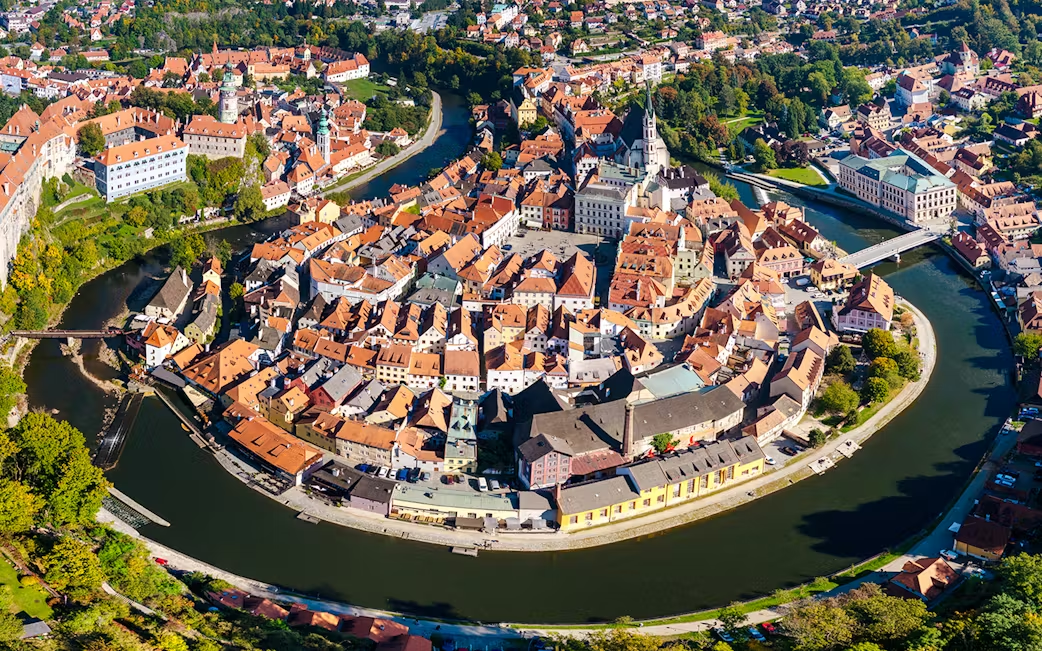
The UNESCO-listed town nestled in a bend of the Vltava River
If Prague is a fairy tale, Český Krumlov is the illustrated version. This UNESCO World Heritage site sits in a tight horseshoe bend of the Vltava River, its terracotta rooftops and Renaissance towers creating a scene so perfect you'll check your camera to make sure it's real. The town's architecture spans five centuries — from Gothic to Baroque to Rococo — all perfectly preserved because the town was owned by a single noble family (the Rožmberks and later the Schwarzenbergs) for 800 years.
The Český Krumlov Castle is the second largest in the Czech Republic, featuring a unique Baroque theatre with original 17th-century machinery still used for performances. Wander the labyrinth of narrow lanes, visit the Egon Schiele Art Centrum (the expressionist painter lived here), and hike up to the castle gardens for panoramic views of the red-tiled roofs below. In summer, the town hosts an international music festival and a unique "revolving" theatre where the audience moves between acts. It's touristy, yes, but for good reason — some places are popular because they're genuinely magical.
📍 Moravia Region — 49.1951° N, 16.6068° E
Brno: The Modern Moravian Capital
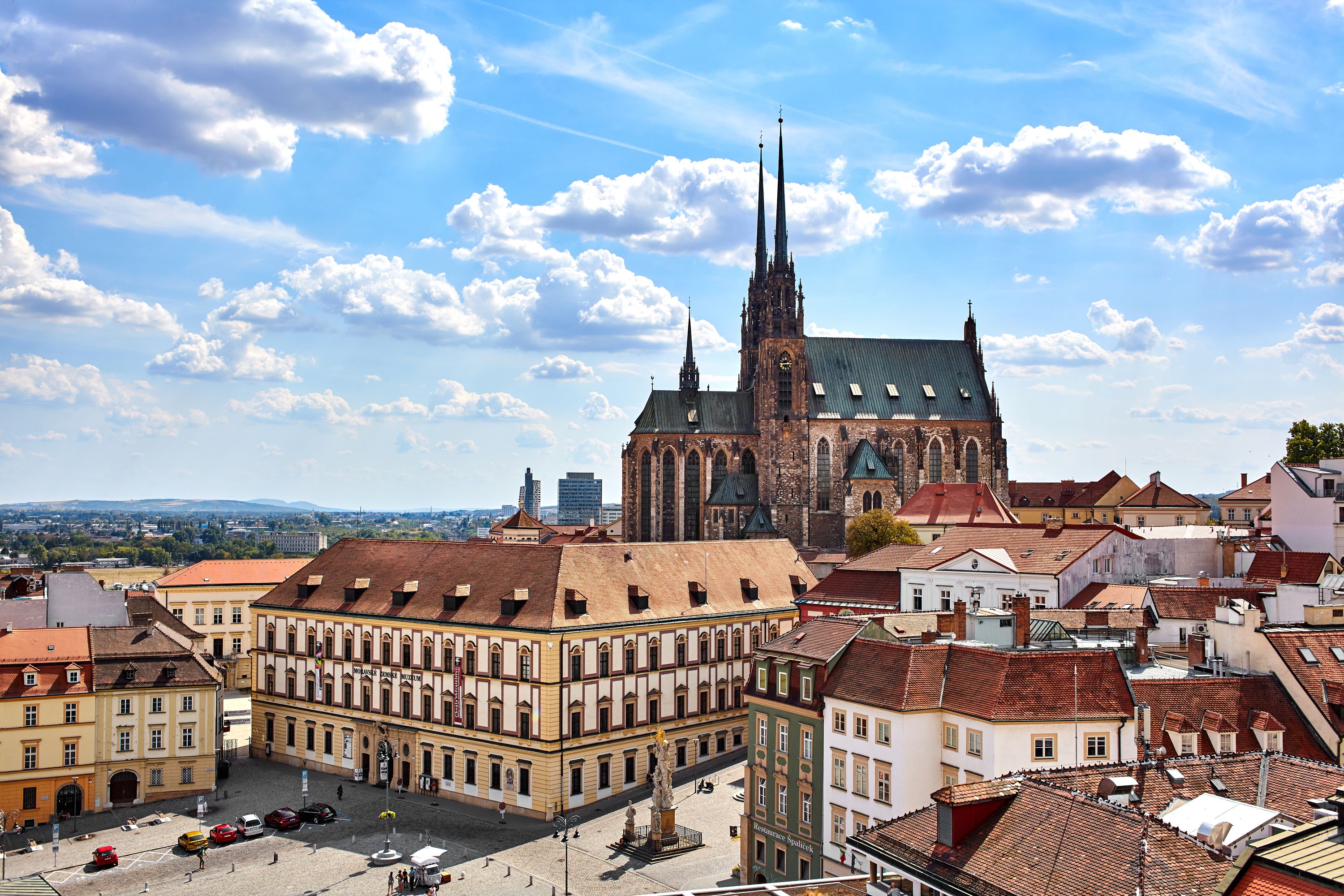
Petrov Cathedral dominating Brno's skyline
While Prague gets the glory, Brno — the Czech Republic's second city — offers a refreshing dose of contemporary cool without the tourist crowds. The capital of Moravia is a university city (Masaryk University is the second largest in the country), giving it a youthful energy that manifests in cutting-edge architecture, vibrant nightlife, and a thriving café culture. The Petrov Cathedral's twin spires rise dramatically above the city, while the nearby Špilberk Castle offers both history and panoramic views.
Brno is a city of contradictions in the best way — medieval churches stand beside functionalist villas, and traditional wine cellars coexist with craft cocktail bars. Visit the Capuchin Crypt to see naturally mummified monks, explore the Villa Tugendhat (a UNESCO-listed modernist masterpiece by Mies van der Rohe), and discover why Brno claims to be the birthplace of the geneticist Mendel and the writer Milan Kundera. The local specialty? Burčák — a young, fermenting wine that's only available for a few weeks each autumn and packs a surprisingly alcoholic punch.
📍 West Bohemia — 50.2319° N, 12.8720° E
Karlovy Vary: The Spa of Kings

The colorful colonnades and baroque architecture of the famous spa town
Nestled in a forested valley where the Teplá River flows, Karlovy Vary (Carlsbad) has been attracting royalty and celebrities since the 14th century. Named after Emperor Charles IV who allegedly discovered the hot springs while hunting, this elegant town features colonnaded walkways, Art Nouveau hotels, and 12 thermal springs with temperatures ranging from 30°C to 72°C. The town's signature look comes from the Mill Colonnade — a stunning neo-Renaissance structure housing five springs.
Stroll along the riverbank promenade lined with colorful baroque and Art Nouveau facades, sample the famous spa wafers (oplatky), and drink the mineral-rich waters from traditional porcelain cups with built-in straws. Karlovy Vary is also home to the Moser Glassworks (founded in 1857) and hosts an annual international film festival that rivals Cannes in prestige. Whether you're seeking wellness treatments or simply admiring the architecture, this town offers Belle Époque glamour at Central European prices.
Why Visit the Czech Republic?
The Czech Republic is Europe's hidden gem hiding in plain sight. It offers the architecture of Vienna, the beer culture of Munich, and the fairy-tale charm of Bavaria — all at a fraction of the cost and without the crowds. From the moment you sip your first Pilsner in a Prague pub to the second you soak in Karlovy Vary's healing waters, you'll understand why this country has inspired artists, writers, and travelers for centuries.
Whether you're a history buff, an architecture enthusiast, a beer connoisseur, or simply someone seeking beauty, the Czech Republic delivers. The people are welcoming, the cities are walkable, and every corner seems to hide another castle, another story, another reason to fall in love. Come for the Gothic cathedrals, stay for the guláš and dumplings.
🍺 Na zdraví! (To your health!) 🇨🇿